










7 Bible Verses for Decision Making: Find Clarity Through Scripture
-
 By Nichole Paige
- Posted on
- 0 comments
“Trust in the Lord with all your heart and lean not on your own understanding.” Proverbs 3:5
Have you ever found yourself standing at a crossroads, unsure of which direction to take? Perhaps you are considering a new opportunity, making an important financial decision, starting a business, or wondering whether it is time to make a significant change in your life. You have thought about your options, weighed the possible outcomes, and prayed for guidance, yet you still find yourself asking, “Lord, what should I do?”
Making decisions can be difficult, especially when the outcome could change the direction of your life. We often want God to give us a clear answer, reveal the entire plan, or show us exactly what will happen if we choose one path over another. When that clarity does not come immediately, uncertainty can make even the simplest decisions feel overwhelming.
But God has given us something we can turn to whenever we need wisdom and direction: His Word. Throughout Scripture, we find reminders of God’s faithfulness, instructions for living wisely, and encouragement to trust Him even when we cannot see what lies ahead.
While the Bible does not provide a specific answer to every personal decision, it teaches us how to approach our choices with wisdom, discernment, prayer, and faith. It reminds us that we do not have to depend entirely on our own understanding or allow fear to determine our next steps.
So, how can you make decisions that honor God? What does Scripture teach us about seeking His guidance, and how can you find peace when the right path is not immediately clear?
These seven Bible verses will help you seek God’s wisdom, examine your choices, and move forward with greater clarity and confidence in His faithfulness.
1. Proverbs 3:5-6: Trust God With the Decisions Before You
“Trust in the Lord with all thine heart; and lean not unto thine own understanding. In all thy ways acknowledge him, and he shall direct thy paths.” Proverbs 3:5-6 (KJV)
One of the most important principles of godly decision making is learning to trust God beyond what we can understand.
When faced with a difficult choice, we naturally want to figure everything out. We analyze our options, consider the risks, seek advice, and try to predict the outcome. We want to make the right decision because we are afraid of experiencing regret, disappointment, or failure.
However, Proverbs 3:5-6 reminds us that our understanding is limited. We see what is happening in front of us, but we do not know everything about the future. God sees what we cannot see, and His wisdom extends beyond our present circumstances.
Trusting God does not mean ignoring facts, refusing advice, or making careless decisions. It means recognizing that our perspective is incomplete and inviting God to guide the way we think and act.
Perhaps you are considering leaving a familiar job for a new opportunity. Maybe you want to start a business, but you are uncertain whether the timing is right. You might even be facing a decision that requires you to step outside your comfort zone and trust God with an unfamiliar season.
In these moments, it is easy to become consumed by the possibilities. We ask ourselves what could go wrong, whether we are prepared, and what will happen if things do not work out as planned.
But faith calls us to approach these questions differently. Instead of allowing uncertainty to control our decisions, we can bring our concerns to God and seek His wisdom.
The verse also instructs us to acknowledge Him in all our ways. This means that seeking God should not be reserved for moments of crisis. He belongs in our everyday decisions, from how we manage our responsibilities to how we pursue our goals and care for the people around us.
When you acknowledge God in your decision making, you invite His truth to shape your priorities. You become more willing to examine your motives, consider the consequences of your actions, and choose what aligns with His Word.
Remember, trusting God does not mean you will always know what comes next. It means you can move forward without requiring yourself to understand everything first.
If you are struggling with a decision today, begin by surrendering your need to control every outcome. Seek God’s wisdom, evaluate your options carefully, and trust Him as you take your next step.
2. James 1:5: Ask God for Wisdom When You Feel Uncertain
“If any of you lack wisdom, let him ask of God, that giveth to all men liberally, and upbraideth not; and it shall be given him.” James 1:5 (KJV)
Sometimes, the hardest part of making a decision is knowing that you do not have enough wisdom to feel confident about your choices.
You may understand the situation, recognize the available options, and know what each decision requires, yet still feel unsure about which direction to take. You might ask several people for advice, hoping that someone will provide the answer you have been looking for.
James 1:5 reminds us that we can ask God for wisdom.
Notice that this verse acknowledges the reality of not knowing what to do. Scripture does not suggest that believers will always have immediate answers or that uncertainty is evidence of weak faith. Instead, it encourages us to seek wisdom from the One who knows more than we do.
Wisdom is more than having information. It is the ability to understand how to apply what we know in a way that is thoughtful, responsible, and consistent with God’s principles.
For example, you may have the opportunity to expand your business. You understand the potential benefits, but you also recognize the financial risks and the additional responsibilities involved. Making a wise decision requires more than excitement about the opportunity. It requires careful evaluation, honest reflection, and discernment about whether you are prepared for the commitment.
The same principle applies to relationships, career changes, family responsibilities, and personal goals. Not every opportunity that looks appealing is necessarily right for your circumstances, and not every difficult choice should automatically be avoided.
This is why we need wisdom.
When you ask God for wisdom, you are inviting Him to shape your perspective. You are asking Him to help you recognize what matters most, consider what you may have overlooked, and respond with maturity rather than allowing emotions to make the decision for you.
God’s wisdom does not always arrive as an immediate answer. Sometimes, understanding develops as you study Scripture, pray, gather information, and listen to trustworthy counsel.
The important thing is to remain willing to learn.
Instead of praying only for God to give you the outcome you desire, ask Him to help you recognize the wisest decision. Be willing to reconsider your plans if necessary, and remember that seeking wisdom is an ongoing part of your walk with Him.
You do not have to pretend to have all the answers. Bring your questions to God and trust Him to help you approach your decisions with greater wisdom and discernment.
3. Psalm 119:105: Let God’s Word Guide Your Path
“Thy word is a lamp unto my feet, and a light unto my path.” Psalm 119:105 (KJV)
When we are uncertain about a decision, we often want God to reveal the entire road ahead. We want to know where a particular choice will lead, what challenges we will encounter, and whether our efforts will produce the results we hope for.
Psalm 119:105 offers a beautiful reminder that God’s Word provides light for our path.
Think of a lamp illuminating a dark road. It may not reveal every turn or show you everything that lies miles ahead, but it provides enough light to help you see where to place your feet.
In the same way, Scripture gives us truth that guides our choices, shapes our character, and helps us understand how to live in a way that honors God.
The Bible may not tell you which job to accept, which business opportunity to pursue, or where you should live. However, it provides principles that help you evaluate these decisions wisely.
It teaches us to pursue honesty, practice patience, exercise self-control, treat others with love, and remain faithful to our responsibilities. These principles become especially important when a decision involves competing priorities or difficult compromises.
Imagine receiving an opportunity that promises financial success but requires you to compromise your integrity. Or perhaps you are considering a commitment that excites you but would prevent you from fulfilling responsibilities you already have.
Without a biblical foundation, it is easy to evaluate decisions solely according to what appears beneficial in the moment. We may focus on convenience, financial gain, recognition, or personal satisfaction without considering the deeper consequences.
God’s Word challenges us to look beyond immediate rewards.
It helps us ask whether our choices reflect His truth and whether we are pursuing our goals in a way that honors Him.
This is also why reading Scripture consistently matters. When God’s Word becomes part of our daily lives, we become more familiar with the principles that should shape our thinking. We learn to recognize the difference between what is appealing and what is wise.
However, we should not take Bible verses out of context simply to justify a decision we have already made. Instead, we should seek to understand Scripture faithfully and allow its message to challenge our assumptions when necessary.
If you need clarity today, return to God’s Word. Read carefully, reflect on what it teaches, and consider how its principles apply to your circumstances.
You may not see the entire journey, but you can allow Scripture to illuminate the next step.
4. Psalm 32:8: Trust God to Teach You the Way to Go
“I will instruct thee and teach thee in the way which thou shalt go: I will guide thee with mine eye.” Psalm 32:8 (KJV)
One of the comforting truths about following God is that He invites us to learn from Him throughout our journey.
Psalm 32:8 speaks of God’s instruction and guidance. It reminds us that seeking direction is not simply about receiving an answer to a particular question. It is also about developing a relationship with God in which we continually learn to walk in His wisdom.
When making decisions, we sometimes become so focused on finding the right answer that we overlook what the process itself can teach us.
We want clarity immediately. We want to know which choice will produce the best outcome, and we want reassurance that we will not make a mistake.
But the process of seeking God’s wisdom can also develop our character.
As we pray, study Scripture, and consider our options, we learn patience. We become more aware of our motives and recognize the importance of seeking counsel. We discover that wisdom sometimes requires us to reconsider our expectations or acknowledge that we do not yet have enough information to make a responsible choice.
God’s guidance is not always about receiving a dramatic revelation. Often, it involves learning to apply biblical truth to ordinary decisions and allowing that truth to shape our behavior.
Perhaps you are wondering whether to pursue a new opportunity. You have prayed about it, but you are still uncertain. Rather than assuming that you must receive a special sign before doing anything, consider what you can learn about the opportunity itself.
Does it align with Scripture? Have you considered the responsibilities involved? Have you sought advice from people who understand your situation? Are you making the decision out of wisdom or reacting to pressure?
These questions can help you approach the situation with greater discernment.
It is also important to remember that not every feeling or unexpected circumstance is a direct message from God. Our emotions can be influenced by fear, excitement, and personal preferences. This is why we must evaluate our impressions through Scripture and sound judgment.
God’s instruction will never require us to abandon the truth of His Word.
If you are waiting for clarity, continue seeking Him. Allow your time in Scripture and prayer to shape your perspective, and remain teachable as you consider your options.
You do not need to rush the process. Let the pursuit of wisdom become an opportunity to grow in faith and maturity.
5. Isaiah 30:21: Be Willing to Follow God’s Direction
“And thine ears shall hear a word behind thee, saying, This is the way, walk ye in it, when ye turn to the right hand, and when ye turn to the left.” Isaiah 30:21 (KJV)
Making a decision requires more than asking God for direction. It also requires a willingness to listen, learn, and respond when we recognize that a different approach may be necessary.
Isaiah 30:21 appears in a passage about God’s relationship with His people and His promise to instruct them. It reminds us of the importance of listening to His guidance rather than stubbornly relying on our own plans.
Sometimes, we become so attached to a particular outcome that we struggle to consider alternatives.
We invest time, energy, and resources into a plan. We imagine what success will look like, and we begin to feel that changing direction would mean admitting defeat.
But wisdom requires humility.
There are times when continuing forward is the right choice, even when the process becomes difficult. There are also times when we need to pause, reconsider our approach, or recognize that new information has changed the situation.
For example, you may have planned to start a business, accept a job, or take on a new responsibility. As you gather more information, you discover that the commitment is not suitable for your current circumstances.
Rather than forcing the decision to work simply because you have already invested so much, you can take time to reassess your options.
Changing direction does not automatically mean that you have failed. Sometimes, it is a responsible response to what you have learned.
At the same time, we must be careful not to assume that every obstacle means God is telling us to stop. Challenges are a normal part of life, and even wise decisions can require perseverance.
This is why discernment matters. We need to consider Scripture, seek sound counsel, evaluate the circumstances, and distinguish between a temporary difficulty and a genuine reason to reconsider our plans.
Being willing to follow God’s direction means holding our plans with humility. We can have goals and work diligently toward them without insisting that everything must unfold according to our expectations.
If you are facing a difficult decision, ask yourself whether you are genuinely open to wisdom or simply looking for confirmation of what you already want.
Remain teachable. Be willing to make adjustments when necessary, and do not allow pride or fear of embarrassment to prevent you from choosing a wiser path.
Your goal is not to prove that your original decision was perfect. Your goal is to honor God through the choices you make.
6. Proverbs 16:3: Commit Your Plans to the Lord
“Commit thy works unto the Lord, and thy thoughts shall be established.” Proverbs 16:3 (KJV)
Our decisions are often connected to the plans we have for our future.
We have dreams we want to pursue, goals we hope to achieve, and responsibilities we want to fulfill. We may spend months preparing for an opportunity or years working toward a particular vision.
Planning is not wrong. In fact, thoughtful planning can demonstrate responsibility and good stewardship. The important question is whether we are willing to place our plans under God’s authority.
Proverbs 16:3 encourages us to commit our work to the Lord. Rather than pursuing our ambitions independently of Him, we are reminded to seek His place in everything we do.
This principle is especially meaningful when making decisions about careers, finances, relationships, and businesses.
Sometimes, we ask God to bless our plans without first considering whether our plans reflect His principles. We want success, but we may overlook integrity. We want progress, but we become impatient with the process. We want a particular outcome so badly that we struggle to consider whether our approach needs to change.
Committing our plans to God means more than asking Him to help us succeed. It means allowing our faith to influence how we pursue success in the first place.
Consider a Christian entrepreneur who is deciding whether to expand a business. The opportunity may offer significant potential, but it also requires financial preparation, careful planning, and a willingness to take on additional responsibilities.
A wise decision involves prayer, but it also involves evaluating the numbers, understanding the risks, and considering the needs of the people affected by the decision.
Faith does not require us to ignore practical considerations. Instead, it encourages us to approach them with wisdom, integrity, and a desire to honor God.
This applies to our personal lives as well. We can make plans for our families, careers, and futures while remaining humble enough to recognize that we cannot control every outcome.
When we commit our plans to God, we acknowledge that our ambitions are not the highest authority in our lives. We ask Him to shape our priorities and help us pursue our goals in ways that reflect His truth.
At Galilee Life Christian Marketplace, Christian entrepreneurs have opportunities to use their creativity and skills to share faith-centered products and resources. Whether you create Scripture-inspired artwork, write devotionals, make handmade gifts, or develop resources that encourage others, your work can become an opportunity to serve with purpose and integrity.
However, business growth and financial success should not be treated as automatic proof of God’s approval. We honor Him through faithful stewardship, honest practices, and the way we treat others throughout the process.
Whatever decision you are facing, take time to examine your plans and motives. Ask God to guide your work, prepare responsibly, and remain willing to adjust your direction when wisdom requires it.
Commit your plans to the Lord, do your part faithfully, and trust Him with the results.
7. Philippians 4:6-7: Let Prayer Replace Anxiety With Peace
“Be careful for nothing; but in every thing by prayer and supplication with thanksgiving let your requests be made known unto God. And the peace of God, which passeth all understanding, shall keep your hearts and minds through Christ Jesus.” Philippians 4:6-7 (KJV)
Sometimes, the greatest challenge in making a decision is not choosing between the available options. It is dealing with the anxiety that comes with not knowing what will happen next.
What if you make the wrong choice? What if the opportunity does not work out? What if your decision disappoints someone or leads to an outcome you did not expect?
These questions can occupy our thoughts until we become mentally and emotionally exhausted.
Philippians 4:6-7 reminds us to bring our concerns to God through prayer and supplication with thanksgiving. Rather than allowing anxiety to dominate our thinking, we are encouraged to make our requests known to Him.
This does not mean that Christians will never experience worry or that every difficult emotion will disappear immediately after prayer. Instead, the passage reminds us that we can turn to God in the middle of our uncertainty.
We can tell Him what we fear, acknowledge what we do not understand, and ask for the wisdom we need to move forward.
Prayer allows us to place our concerns before God instead of carrying the entire weight of the decision on our own.
The passage also speaks of the peace of God guarding our hearts and minds through Christ Jesus. This peace does not depend on having every question answered or knowing exactly how our plans will unfold.
Sometimes, we must make a responsible decision while still feeling nervous about the outcome. We may need to move forward without knowing whether everything will work as expected.
God’s peace can sustain us as we navigate those moments.
However, we should not assume that feeling peaceful about a decision automatically proves that it is the right one. Our emotions are not infallible, and a decision that feels comfortable is not always wise.
We still need to consider Scripture, evaluate the facts, seek counsel, and take responsibility for our choices.
Prayer and practical wisdom work together. We can ask God for peace while also taking the necessary steps to make an informed decision.
If you are overwhelmed by a choice today, give yourself permission to pause. Bring your concerns to God, thank Him for His faithfulness, and ask Him to help you think clearly.
You do not have to solve your entire future in one moment.
Take the next responsible step, trust God with what you cannot control, and allow prayer to remind you that uncertainty does not have to rule your heart.
How Do You Know If You Are Making the Right Decision?
After reading these verses, you may still be asking an important question: How can you know whether the decision you are about to make is the right one?
The truth is that the Bible does not promise that every personal decision will come with an unmistakable sign or an immediate feeling of certainty. Sometimes, more than one option may be consistent with biblical principles, and you must use wisdom to determine which choice best fits your circumstances.
However, Scripture gives us principles that can help us evaluate our decisions.
Your decision aligns with God’s Word. Begin by considering whether your choice contradicts any biblical principles. Godly decision making should never require you to compromise the truth of Scripture or justify dishonesty, wrongdoing, or the mistreatment of others.
You have taken time to seek wisdom. Instead of rushing into a decision because of excitement, fear, or pressure, you have prayed, considered the available information, and sought guidance where appropriate.
Your motives are being examined honestly. You recognize that personal desires, pride, comparison, and fear can influence your judgment. You are willing to examine your heart rather than assuming that everything you want is automatically the best choice.
You have considered your responsibilities. A wise decision takes into account the commitments and people entrusted to your care. It considers the practical consequences rather than focusing exclusively on immediate benefits.
You are willing to accept wise counsel. You do not assume that you must figure everything out alone. You are willing to listen to mature believers and knowledgeable people who can help you evaluate the situation honestly.
You understand that peace is not the only measure of a good decision. You recognize that doing the right thing can sometimes feel uncomfortable. You evaluate your choice through Scripture and sound judgment rather than relying on emotions alone.
You are prepared to trust God with the outcome. You understand that even a carefully considered decision cannot guarantee a perfect result. You can take responsibility for your actions while recognizing that many circumstances remain outside your control.
These principles are not a formula that guarantees every decision will produce the outcome you want. Rather, they provide a foundation for making choices that reflect faith, wisdom, and integrity.
If you have prayed, considered Scripture, gathered the necessary information, and sought appropriate counsel, you may need to make a decision without having complete certainty about the future.
That is where trust becomes important.
You do not need to predict every outcome before moving forward. You need to make the wisest decision you can with the understanding you have and remain willing to learn as circumstances unfold.
What Should You Do When God Seems Silent?
One of the most difficult experiences in decision making is feeling as though God is silent.
You pray, read Scripture, and ask for guidance, but you do not receive the clear answer you were hoping for. Meanwhile, the decision remains in front of you, and you may begin to wonder whether you are missing something.
If you are experiencing this season, remember that the absence of an immediate answer does not mean God has abandoned you.
Continue seeking wisdom through Scripture. God has already provided principles that apply to many of life’s decisions. Return to His Word and consider what it teaches about your situation.
Give yourself time when circumstances allow. Not every decision needs to be made immediately. If you need more information or time to think, allow yourself the opportunity to do so.
Seek guidance from trustworthy people. God can use the wisdom, experience, and perspective of others to help you evaluate your options. Look for people who are willing to offer honest advice rather than simply confirm what you want to hear.
Consider the practical realities. Faith does not mean ignoring your resources, responsibilities, or limitations. Evaluate the consequences of your choices and consider whether you are prepared for the commitment involved.
Remember that uncertainty is part of life. You may never have complete information about what lies ahead. That does not mean you are incapable of making a wise decision.
Take the next responsible step. When you have thoughtfully considered your options, do not allow the desire for absolute certainty to keep you from moving forward indefinitely.
Sometimes, clarity comes through continued prayer and reflection. At other times, you must exercise wisdom with the information available to you.
You can trust God without knowing every detail of the future. You can remain faithful even when your circumstances are uncertain, and you can continue seeking His wisdom as you move forward.
Final Thoughts: Trust God to Guide Your Decisions
Making decisions is part of every season of life. Some choices come easily, while others require prayer, patience, careful consideration, and courage.
When you find yourself uncertain about the direction you should take, remember that God has given you His Word as a foundation for wisdom and guidance.
Proverbs 3:5-6 reminds you to trust Him beyond your own understanding. James 1:5 encourages you to ask for wisdom. Psalm 119:105 points you toward Scripture, while Philippians 4:6-7 reminds you to bring your worries to God in prayer.
Together, these verses teach us that godly decision making is not about predicting the future or receiving a perfect answer to every question. It is about seeking God, applying biblical wisdom, evaluating our choices responsibly, and trusting Him with the outcomes we cannot control.
Perhaps you are facing a decision that could change the direction of your life. Maybe you are considering a new opportunity, struggling with a difficult situation, or wondering whether it is time to take a step of faith.
You do not have to have every detail figured out before you begin seeking God’s wisdom.
Pray honestly. Study His Word. Consider your options carefully, and seek counsel when you need it. Be willing to examine your motives and adjust your plans when necessary.
Most importantly, do not allow the fear of making a mistake to prevent you from moving forward.
God has not called you to live in constant fear of the future. He invites you to seek His wisdom and trust Him as you navigate the decisions before you.
You may not know exactly where your next step will lead, but you can choose to approach it with faith, humility, and a commitment to honoring Him.
Let Scripture guide your thinking. Let prayer shape your response to uncertainty. And let your trust in God remain stronger than your fear of what lies ahead.
You do not need to see the entire path to take the next wise step.
Tell Yourself Today
- I will trust God even when I do not understand every circumstance.
- I will seek wisdom through prayer and Scripture.
- I will not allow fear to control my decisions.
- I will remain patient when clarity takes time.
- I will examine my motives and pursue choices that honor God.
- I will seek wise counsel when I need guidance.
- I will consider my responsibilities and evaluate my options carefully.
- I will remain willing to learn and adjust my plans when necessary.
- I will not depend on my feelings alone to determine what is right.
- I will bring my worries to God instead of allowing anxiety to rule my heart.
- I will take responsibility for the decisions before me.
- I will trust God’s faithfulness even when I cannot predict the outcome.
Prayer
Heavenly Father, thank You for Your Word, which gives me wisdom and direction when I feel uncertain. Thank You for reminding me that I do not have to depend on my own understanding alone. You know my circumstances, my concerns, and the decisions I am facing, even when I struggle to understand what I should do.
Lord, I ask for Your wisdom and discernment. Help me evaluate my choices through the truth of Scripture and recognize the principles that should guide my decisions. Give me the patience to wait when I need more understanding and the courage to move forward when it is time to take the next step.
Search my heart and reveal any motives influenced by fear, pride, comparison, or the desire for approval. Help me recognize the difference between what I want and what is wise. Teach me to value integrity, obedience, and faithfulness more than temporary comfort or personal gain.
Holy Spirit, guide me as I navigate the decisions before me. Help me think clearly, seek wise counsel, and consider the consequences of my actions. Keep me from making choices based solely on emotions or outside pressure. Ground me in Your Word and help me remain teachable when I need to reconsider my plans.
When anxiety begins to overwhelm me, remind me to bring my concerns to You in prayer. Help me release the things I cannot control and trust You even when I cannot see the entire path ahead. Give me peace that sustains me through uncertainty and strengthens my faith as I move forward.
Father, I surrender my plans, opportunities, relationships, work, and future into Your hands. Help me make decisions that honor You and reflect Your wisdom. If I make a mistake, give me humility to learn and courage to make necessary changes. If I encounter difficulties, strengthen me to respond with patience and faith.
Thank You for Your faithfulness in every season. Remind me that I do not need to know everything about tomorrow to trust You today. Help me remain faithful in the responsibilities before me and confident in the truth of Your Word.
May my decisions reflect Your character, bring glory to Your name, and bless the people You have placed in my life.
In Jesus’ name, Amen.
Want to Join Our Marketplace or Learn More?
We love welcoming new vendors, readers, ministry partners, and shoppers into our growing family.
If God is stirring your heart — reach out.
For questions, features, or vendor opportunities:
📧 info@galilee-life.com
🌐 www.galilee-life.com
Thank you for being part of this movement of faith-filled entrepreneurship.

Prepare With Purpose: Stewarding Your Shop for the Holiday Season
- Posted on
- 0

Searching for Happiness? 7 Bible Verses That Point You to True Joy
- Posted on
- 0

Vendor Spotlight: Anchored in the Waves
- Posted on
- 1
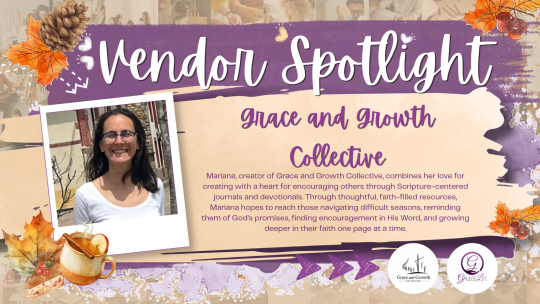
Vendor Spotlight: Grace and Growth Collective
- Posted on
- 0

Thanksgiving Is More Than a Holiday for Your Business
- Posted on
- 0

7 Bible Verses for Decision Making: Find Clarity Through Scripture
- Posted on
- 0